
"siphon pot cleaning"
300 article(s) found
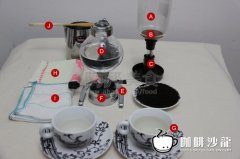
The basic utensils of siphon pot coffee brewing
Siphon pot, also known as Saifeng kettle, is a relatively stable way of coffee extraction, and the process is also very interesting. Using the siphon principle, coffee can complete the whole extraction process up and down in the pot. We can show off our skills by controlling water temperature, stirring, grinding, powder quantity, water volume, extraction time, mixing techniques, etc., without testing ourselves and our friends like hand pots.

A detailed explanation of the siphon pot of coffee
Siphon pot, also known as Saifeng kettle, is a relatively stable way of coffee extraction, and the process is also very interesting. Using the siphon principle, coffee can complete the whole extraction process up and down in the pot. We can show off our skills by controlling water temperature, stirring, grinding, powder quantity, water volume, extraction time, mixing techniques, etc., without testing ourselves and our friends like hand pots.

Coffee utensils understand the structure of siphon pots
Second, the siphon pot principle uses the siphon principle to make the boiling water into the coffee powder and stew out the original flavor of the coffee. Suitable for coffee: slightly sour, medium mellow coffee grindability: slightly thicker than powder, close to special fine granulated sugar. Siphon coffee, which turns the living room into coffee brewed by siphon in a cafe, is a favorite of many coffee fans. Some people say that because it can extract the most perfect part of coffee.

Analysis of the charm of soaking extraction--siphon pot brewing complete tutorial (with video)
Professional barista exchanges, please pay attention to coffee workshop (Weixin Official Accounts cafe_style ) immersion extraction method immersion extraction method, as the name suggests, its principle is to let coffee powder soak in a container, and hot water for a period of time, dissolution diffusion to smoothly release coffee flavor and aromatic substances, and before the impurity precipitation, complete the extraction

Which tastes better, siphon pot or dripping type? What's the difference between dripping coffee and siphon coffee?
Professional coffee knowledge exchange more coffee bean information Please pay attention to the coffee workshop (Wechat official account cafe_style) the mocha pot is composed of upper and lower parts, using the high temperature steam produced by boiling water to extract espresso, the extracted coffee is very strong, suitable for people who like espresso and fancy coffee. Siphon pot and royal Belgian pot: hot water using siphon principle

Coffee made from siphon pots, French presses, mocha pots, drip pots and espresso machines.
Only espresso has cream, and if something like this happens, it's best to get rid of it that affects the taste. The mocha pot made is relatively close to the espresso, or can be regarded as a kind of home simple espresso. The taste is more direct (I don't know how to describe it) the siphon pot tastes clean and soft. Drip filter pot (if you are talking about Vietnam Didi pot) this

Coffee made from siphon pots, French presses, mocha pots, drip pots and espresso machines.
Only espresso has cream, and if something like this happens, it's best to get rid of it that affects the taste. The mocha pot made is relatively close to the espresso, or can be regarded as a kind of home simple espresso. The taste is more direct (I don't know how to describe it) the siphon pot tastes clean and soft. Drip filter pot (if you're talking about Vietnam Didi pot) I don't do this.

Siphon coffee pot brewing method explain _ siphon pot coffee bean grinding fine _ siphon coffee beans which is good?
Professional coffee knowledge exchange more coffee bean information please follow the coffee workshop (Wechat official account cafe_style) siphon pot brewing coffee, like hand coffee, is the love of coffee control, watching the water boiling from the lower pot into the upper pot, extract the coffee liquid and then back down, the whole process, it is easy to fascinate people. Here is a good article about siphon pot brewing coffee.
The home siphon pot coffee making tutorial is obsessed with making bottles and cans similar to chemical experiments when siphoning.
Siphon pot is an excellent way to make coffee. Many people are fascinated by making bottles and cans similar to chemical experiments when making siphon, as well as the barista's attentive attitude, and some even fall in love with coffee because they fall in love with siphon pot. The siphon pot originated in 1840 when the Scottish engineer RobertNapier invented the coffee pot, which was later developed by Wasserf of France.
The usage of siphon pot for high-quality coffee
The usage of siphon pot: 1. Install the filter into the bottom of the upper seat and pull the spring through the siphon to the front end to hook and secure. two。 Add an appropriate amount of water to the lower seat and dry the water droplets on the outside of the bottom of the lower seat and heat it with an alcohol lamp or a mini gas lamp. ▲ pour appropriate amount of cold water according to the cup, and the standard amount of water per person is about 150CC. 3. First insert the upper pot obliquely on the lower seat.

How do coffee beans make siphon pot coffee? What kind of coffee beans is suitable for siphon pot?
Professional coffee knowledge exchange more coffee bean information please follow the coffee workshop (Wechat official account cafe_style) brewing champion teach the secret of siphon coffee: how do coffee beans make siphon pot coffee? Champion coffee beans to become a siphon master, the original is not as complicated as imagined. First of all, let's talk about coffee beans: in the siphon barista contest, most contestants choose the reserved bar.
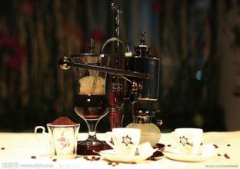
The most beautiful brewing method of the Belgian royal coffee pot
The Belgian coffee pot is also known as the balanced plug pot (Balancing Siphon), and some people call it the Vienna coffee pot. This kind of pot brews coffee in the way of vacuum siphon and uses the lever principle to convert the pressure generated by the alternation of cold and heat to drive the mechanical part of the coffee pot. The Belgian coffee pot consists of a transparent glass pot with coffee powder and a closed type with boiling water plated with nickel or silver.

The brewing method of Belgian royal coffee pot-- the most beautiful brewing
The Belgian coffee pot is also known as the balanced plug pot (Balancing Siphon), and some people call it the Vienna coffee pot. This kind of pot brews coffee in the way of vacuum siphon and uses the lever principle to convert the pressure generated by the alternation of cold and heat to drive the mechanical part of the coffee pot. The Belgian coffee pot consists of a transparent glass pot with coffee powder and a closed type with boiling water plated with nickel or silver.

How to clean the siphon pot?
1. Hold the glass tube in the upper seat with your hand and gently pat the mouth of the bottle with the palm of your left hand. two。 Then, tap three more times around the glass to make the coffee powder loose. 3. After the coffee powder is poured out, rinse the inner edge of the cup with clean water and rinse gently around. 4. Then rinse the filter with clean water to remove the dregs. 5. Remove the filter spring hook and wash it thoroughly with clean water
The most beautiful coffee brewing method of Belgian royal coffee pot
The Belgian coffee pot is also known as the balanced plug pot (Balancing Siphon), and some people call it the Vienna coffee pot. This kind of pot brews coffee in the way of vacuum siphon and uses the lever principle to convert the pressure generated by the alternation of cold and heat to drive the mechanical part of the coffee pot. The Belgian coffee pot consists of a transparent glass pot with coffee powder and a closed type with boiling water plated with nickel or silver.
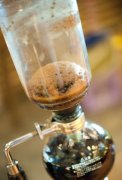
Coffee pot operation chemistry experiment siphon pot
Introduction to utensils: the siphon pot, also known as the plug pot, is a kind of coffee ware invented by the British, improved and carried forward by Japan. Before the invention of espresso machine, siphon pot was widely used in Europe, but with the invention and popularization of espresso machine, siphon

Matters needing attention of siphon coffee in siphon pot
Siphon coffee source siphon coffee originated in 1950 AD, some people call it air stopper, distilled coffee pot or vacuum pot. It is interesting to watch and have the extraction process of performing arts, which is no stranger to many people. There are many businesses and families using espresso. Before espresso prevailed, coffee brewing in the cafe in the street was a plug pot, which was beautifully shaped and distributed in the process of brewing.
How to clean a siphon pot?
1. Hold the glass tube in the upper seat with your hand and tap the bottle opening three times with the palm of your left hand. 2. Then tap three more times around the glass to loosen the coffee powder. 3. Pour out the coffee powder and rinse the rim of the cup with water. Rinse with a gentle turn. 4. Then flush the filter with clean water to remove the dregs. 5. Remove the spring hook of the filter and wash it thoroughly with clean water. 6. with both hands
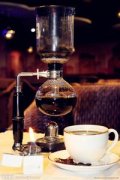
Skills of siphon pot brewing coffee in siphon tube coffee boiler
[features] you can enjoy the coffee while watching the extraction process, which is the charm of the rainbow. It can be used as an ornament. It's just that compared with the dripping type, the operation is a little complicated. [about appliances] 1. It's troublesome in management, but I'll get better after I get used to it. Glass products should therefore be careful not to damage them. two。 After use, the filter tip should be carefully cleaned, soaked in clean water, and then stored in the
The method of cleaning the carbon deposit at the bottom of the siphon pot
The method of cleaning with salt or toothpaste is exactly the same as the loofah towel principle, is to "grind" the carbon deposits, so that it is easy to leave scratches on the bottom of the glass ball, these scratches are the hidden danger of burning in the future.